Thursday, 1 September 2011

Local trees of Nagaland


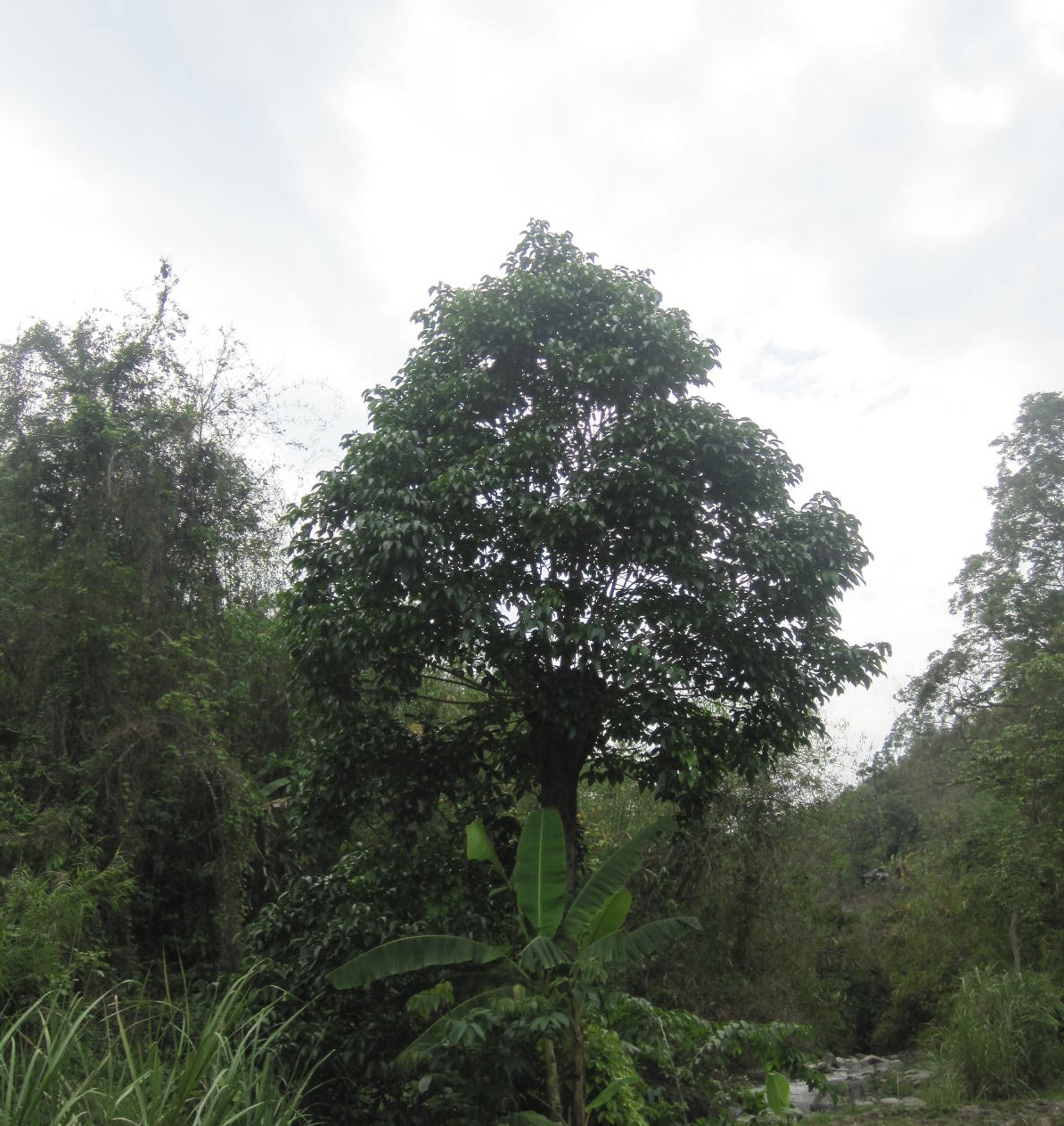
Took some days out to photograph local trees for my sister's taxonomy project and what I didn't know was that it is not as easy as i imagined...to identify trees, they all look similar to me. Hardly any documentation work has been done on our local plants and trees.
Fortunately, the village people were extremely helpful especially one Apuh who is an encyclopedia of indigenous plants and trees, he knows the local names of almost all plants and even their unique characteristics, he's never been to school but his years of experience farming, living close with nature and his passion for experimenting, keen observance and curiosity equates the knowledge of acclaimed botanists. These are some of the trees he took me to the forest to photograph: 

Mighikhaghathisu


Ayesu


Amilisu

Angothisu


Pughokoisu


Khaghathisu

Shedusu

Shulusu
Achesu

Shekuthibo


Xoneyesu

Sunday, 14 August 2011

Harvest Ceremony - Ghile Amutha Kighini


Ghile Amutha Kighini hoho shilu keu. Niyeghi lo tuxa tini, tusu-yezu thwokha kumtsu nibo nileyishi ipeghilukeu ghenguno Alhou skimimithi keu kighini.

"465 kernels in this corncob plus another 465 kernels --  from just one tiny corn seed."


Samples of  harvested crops for the ceremony


Rotomi Village and the Weeding Song (Moza Leh)

Rotomi Village, established in 1586 AD, one of the old Sumi villages.

To Rotomi Village, 13th August 2011


Apuh Rotokha and Apuh Pukhazhe enjoying a brief break from the bumpy road ride under a banyan tree.


Rotomi Village gate


The elders at the Chief's house with the Village Chief in his ceremonial red coat


A village elder at the entrance of the field ready to show us how the Weeding Song is performed


Rotomi villagers singing the lively Moza leh 


Rice field - almost ready for harvest


A monolith erected in honour of those 60 Rotomi Villager killed during British Expedition on June 22, 1883. "On 22.06.1883, a punitive expedition led by Naga Hills D.C, Mr. R.B. McCabe and S.D.O. Mr. Broderick, with 100 sepoys and 300 Coolies marched against Rotomi village and brunt down 400 houses and granaries. Cattle carried off, and killed 60 Rotomi. Thus, this village was subdued to British Administration.

DEATH DIVIDES BUT MEMORY CLINGS"

Also in memory of those Rotomi who went to France and Germany to help in the war under D.C, Mr.H.C. Barnes who was their Commander. The names of those who safely returned to the village on March 9, 1917 have been inscribed on the stone.


Aggressive cute little ants that managed to bite my legs and almost killed me...not.:-p


Red Weaver Ants on a mango tree in the middle of the rice field

and their lovely silken round nest of mango leaves!


A modern granary at Rotomi 


The Village Council Hall


Rev. Dr. Najekhu Yepthomi's memorial

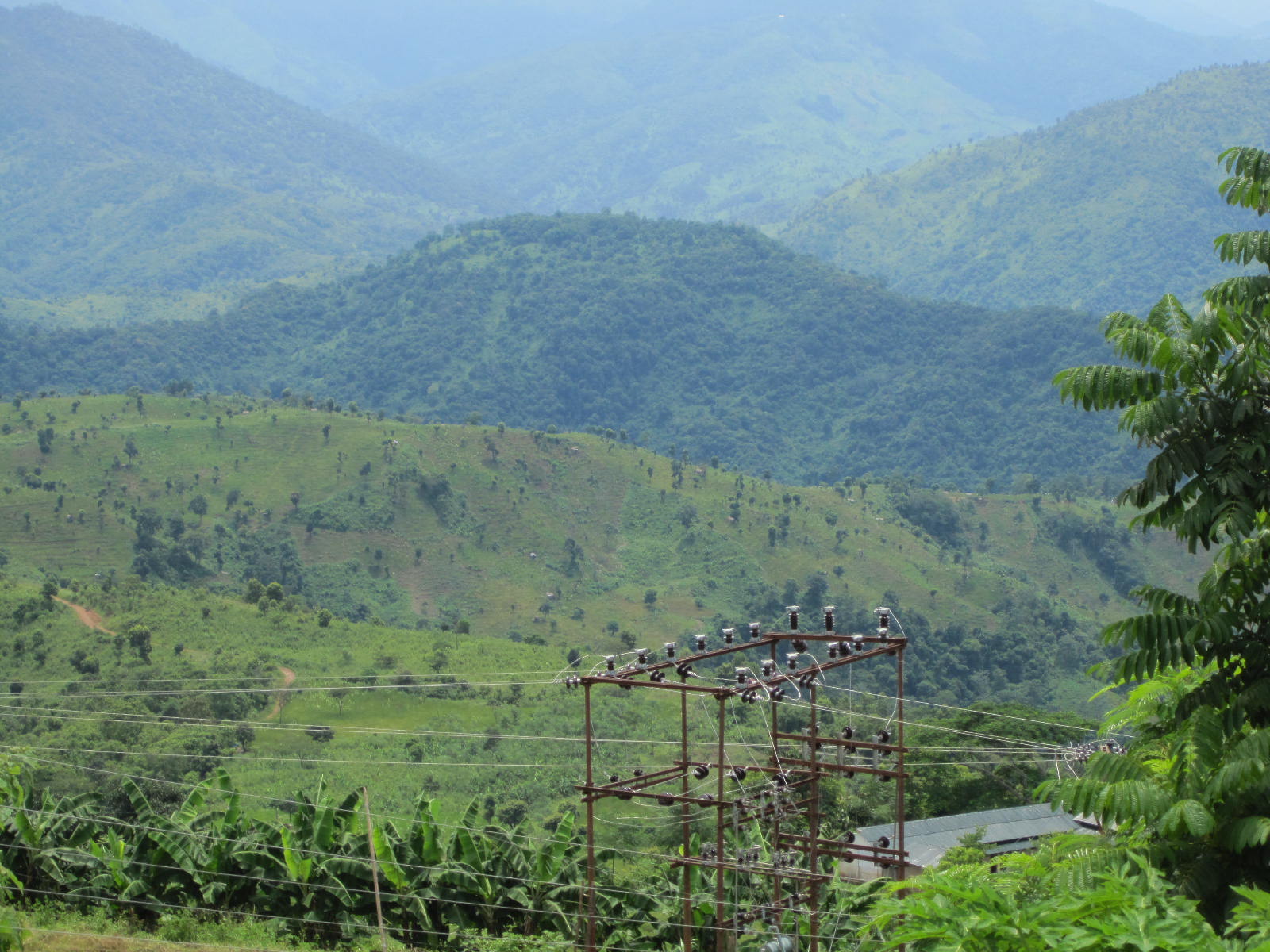
A view of Matez, the place where most of the Sumi villages migrated from. 

View of Mountain of the Dead hidden by the clouds. It's so close to Rotomi! The villagers told me that some hundred years ago their ancestors used to hear war cries and voices of dead souls and animals who journeyed to the netherworld to those mountains. They no longer hear them now.


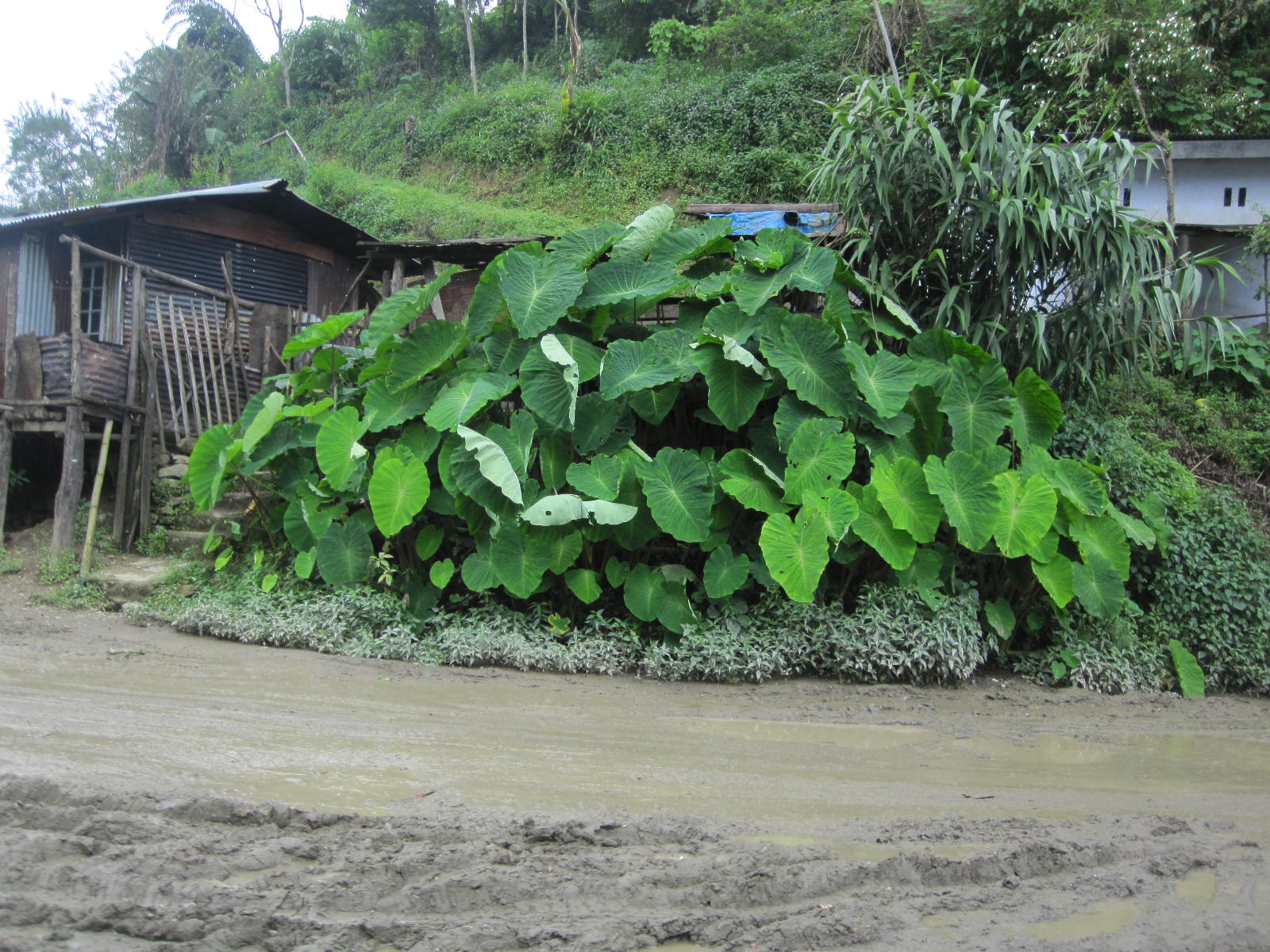
On the way back - gigantic Colocasia leaves and flooded, muddy, useless road at Khitakisa


Friday, 29 July 2011

Viktor E. Frankl no pi keu tsa qo hami ni tsaw no phi ju ni


Ti khikhi no aküvu tsu ani keno shukuthu pithiqhi keu ghi pulu ani ke.

Timi kümtsu pututa makho eno pututa küxü kimiji anie. Timi kümtsu pututaw kuchou kümlapu saje kiu keno pekupulu masae. Milakhi küxü no timi kütami lakhi küxü kili vemla momu timi lakhi küxü hipau ye itaghi akiniu xü kide mulaie, kughengu timi kümtsu pututa kümlapu saje ye kütuta ke eno tipau shi kupuluni keu ghi aghola eno alaghi kütuta ke.


Küghono ninguno ayeghi lo aküxü hipau kimiji kuchou cheju eno kümsu thonei ju ghi xü ni keno ti no aküxü xü pivi lu akeu kuchou ke.


Ningu küxü lo sholu chekeu eno ninguno kiu toi khochile cheni keno ti kuma dolo kumüsuktoju lu kepu do anie. Eno ado hipau lo ningu ye kiu toi aküxü no saghi tsu akeu akivi momu akusa suchedoqo  kiu toi khochile kepu keno aküka ninguw lo anie. Ike ninguw khokichile kiqhi lono ninguno thuwu lu kepu eno ningu tsughape akeu lono khaqhiphe lu kepu ithulu nani.


Ningu ye aküxü vilo aküxü kimiji ye kiu kea ipi iniju akepu do kumo vae ikemu ninguno kumsulu masa keu ye aküxü no ningu vilo tsala kipe tsü asüche do kumtsulo hipau iniju ani ke ipi ithi masai. Ninguw khokichile ye asta eno akükümsu likhi no kumoe ikemu achipiu kumla eno achipiu ghushoghili no ke. Aküxü kimiji kiqhi kuchou ye  bemakho ikhilu no aküxü hipau wu aküküpuna eno aghime jeliqo kiu toi puqhe lu masa keno kuchou khokichile phuni keu ke eno pututa no pututa kumlapu saje shikupulu ani keu ke.

Monday, 25 July 2011

Music of the day


Nagaland Wild Bird-Eating Market


1800: Lots of birds and no guns, traditional traps
1900: Lots of birds and few guns, catapults, traditional traps
1970: Some birds and more guns, catapults, traditional traps
2011: Hardly any birds and all types of guns, chemicals, bird-poisons
2015: No birds, only guns and chemicals


Just visit a local bazaar and you're sure to be greeted with this type of spectacle:

Dead birds waiting for customers at Dimapur Supermarket. March 2011.


Nagaland: Summer rain and more rain everyday


Angry rain, yesterday.


and soaked villages and hills.


Last local plums of the season

and  the scariest, fattest worm ever !!

some illegal plants and banana trees ...
and perfectly legal and healthy organic summer vegetables from villages. :) 


Today's rain
approaching Zunheboto

looking at the rain from the kitchen window.


Sunset, a few days ago