Monday, 11 July 2011

Colours of Summer - Nagaland


Local organic beans


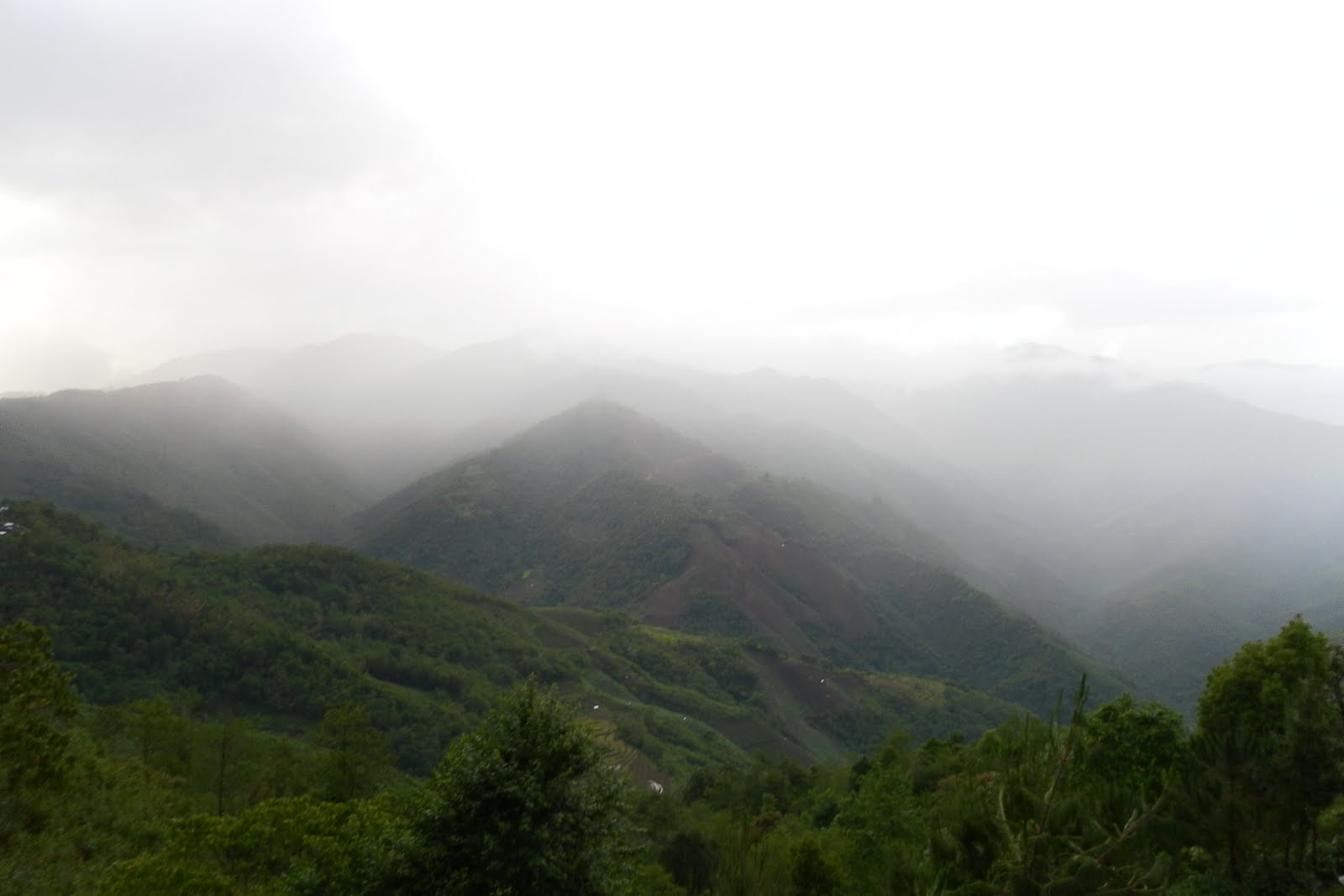
Red Earth: Repairing summer rain-soaked roads at Nito Mount
Tea in the kettle - in the alu at Khukiye & Lukhai village

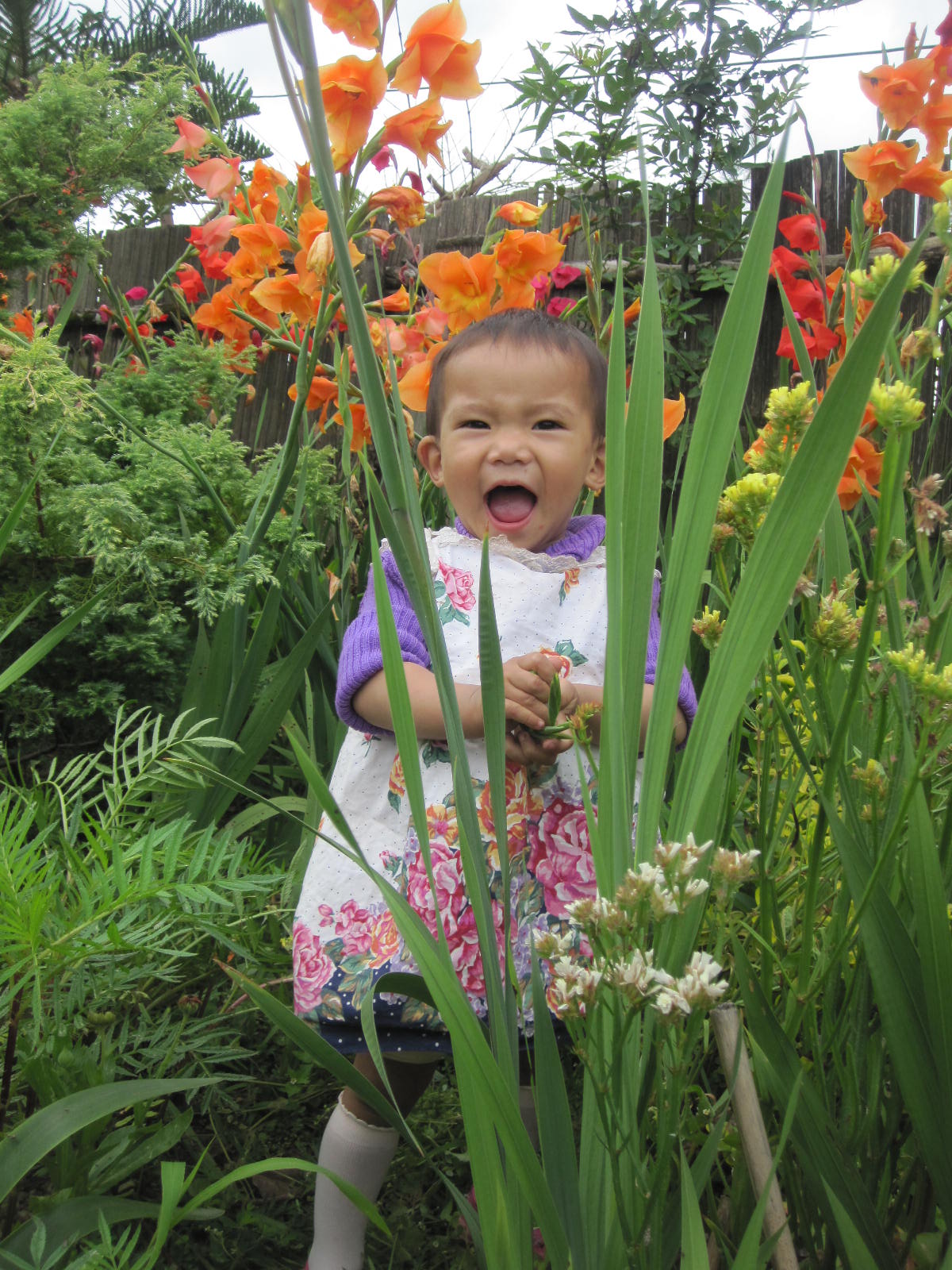
Maize in my garden


Organic local chilli

Eeeskus :-) Chow chow

Naga Chilli/raja mircha/Bela Ghumsu - the hottest chilli in the world (used to be?).
Summer veggies
The first kholakithi of the season

Sunday, 10 July 2011

Music of the day


Tuluni Festival Pictures

Tuluni Tiqhetini celebrations at Nito Mount, Zunheboto, Nagaland on 7th July 2011


  Some traditional Sumi clothes, basketry and wood carving adorning the stage


  Gifting the Tuluni papu with Azhta and Azhto - Dr. Hokishe Yeptho


                                      Totikighilhe - Women's dance


 Akhedu kumgho for a big fat cash loot on top of the bamboo


How to break the rules, use a ladder and beat others. LOL!


    Entertained by Akhedu kumgho

Saturday, 9 July 2011

Music of the day


Museum der Kulturen, Basel

OK! I found this media release made some years ago on the internet. As a Naga I am totally amazed by this. Has any of you -- Nagas in Nagaland -- seen or know of the exhibition?


From the page, this is what they've written about us:


The Naga people, who number approximately 30 different ethnic groups, live in a mountainous  region on the border between Northeast India and Myanmar (Burma). Once, they used to be feared as fierce warriors, even resisting British colonial rule tenaciously for a long time.  Not only  anthropologists and travellers but also colonial administrators were fascinated by this proud and status-conscious culture with its elaborate feasts of merit and its practice of head-hunting

HISTORY OF THE COLLECTIONS
The Berlin collection dates back to Adolf Bastian (1826—1905), the founding father of German anthropology, who was one of the first to conduct research among the Naga in 1878/79, in what was then known as the Assam District. The Munich collections goes back to the year 1911 when the German anthropologist Lucian Scherman (1864—1946) visited various Naga tribes on the Burmese side of the border. The collection is exceptional because of its special regional focus. The Basel collections are more recent but cover a longer time span: in 1936/37 the Basel museum commissioned the German anthropologist Hans-Eberhard Kauffmann (1899—1986) to put together a collection of ethnographic objects from the Naga-Hills District in Assam. Shortly later, in 1939, the museum purchased a small collection from the Basel anthropologist Paul Wirz (1822—1955) who had travelled in the Naga territory the year before. Finally, in 1989, the Museum der Kulturen acquired a unique Naga collection owned by the Czech-Indian anthropologist Milada Ganguli (1913—2000). Being an Indian citizen she had the exceptional privilege to travel to the Naga territory several times between 1963 and 1992, during a period when the area was officially strictly closed to visitors. Hers is therefore the only representative collection of Naga objects from the roughly 50-year period following Indian independence (1947)


RELICS FOR THE FUTURE
The collections shown in the Museum der Kulturen under the title «Naga — A Forgotten Mountain Region Rediscovered» bear testimony to a bygone era, making them one of the few remaining sources on the traditional culture of the Naga people. This means that the collections held in Western museums have become important cultural archives which not only help to explain the present situation in Nagaland, but also serve as an invaluable resource for the Naga people to analyze and understand their own history

Friday, 8 July 2011

Sümi Calendar and Tuluni Week

The naming of months by Sümi ancestors:
In the olden times the Sümi months were named according to agricultural cycles. In ancient Sümi tradition all crops were sown only during the time when the moon is waxing, if seeds were sown on waning moon they believed it would be a poor harvest. 
Aqhi = moon
Aqhi (qhi) = Month

Old counting system of months and days

Months

Month                      Name

  1                          Liphi qhi 
  2                          Luu qhi
  3                          Süphu qhi
  4                          Lusa qhi
  5                         Ghixu qhi
  6                         Sühi qhi
  7                         Moza qhi
  8                         Amuha qhi
  9                         Anih qhi
  10                       Ado qhi
  11                       Saghi qhi
  12                       Tixi qhi
  13                       Amtha qhi
  14                       Ghile qhi
  15                       Thipu qhi
  16                      Ahuna qhi

Week (the old Sümi had a seven-day week and the seventh day had a religious significance even before the influence of Christianity and the adoption of the western calendar. Ancient cultures such as the Babylonian civilization also placed religious significance on the seventh day) 

Day                         Name

1                          Asüzani
2                          Aghizani
3                          Ashigheni
4                          Anighini
5                          Mucholani
6                         Tupulani
7                         Tüghakhani/Tüghalakhani

Modern Calendar (after following the Gregorian Calendar, four ancient Sümi months have died :-) )

Months
January – Luu qhi
February – Süphu 
March – Lusa qhi
April - Ghixu qhi
May  - Moza qhi
June – Amha qhi
July – Ani qhi
August – Saghi qhi 
September – Amtha qhi
October – Ghile qhi
Novermber – Thipu/Ahuna qhi
December – Liphi qhi


Days
Asüzani – Monday
Aghizani - Tuesday
Ashigheni - Wednesday
Anighini - Thursday
Mucholani - Friday
Tupulani - Saturday
Tüghakhani - Sunday


TULUNI

Tuluni is one of the most important festivals of the Sümi since very very very old times (i just saw a map of the early humans migratory route from Africa's Garden of Eden and it looked like some of the earliest humans have walked across this part of the globe so... :o))

Tuluni is a festival about celebrating prosperity, new crops, friendship, kulakishi (mediation and peace), a time to invite prospective sons-in-law for a feast, to offer gifts to the servants, babysitters and the poor, and overall to have a good break far away from the hard work in the fields to enjoy eating, drinking and making merry. 

The elders say that Tuluni was celebrated area-wise in different weeks according to climatic conditions (as harvesting of new crops varied from warm to cold climates) although it was observed in the month of Aniqhi by all villages and aloji (farmer groups). Tuluni was a week-long celebration before 1966. The Sümi Tribal Council in 1966 decided to fix one day -- the 8th of July (Aniqhi)-- to incorporate the day as 'Restricted Holiday' under the Nagaland State of India calendar of holidays. The main day of Tuluni also called 'Ani' was actually always celebrated on 'Ani'ghini (Thursday) but this is not possible now.

There are different theories about how Tuluni originated and at present we do not know which is the correct one.

The days of the week in the Sümi Calendar are named according the rituals performed on each day of the Tuluni Week. (Source: Hekhevi Achumi, 2005, Sütsah Kuthoh)

1st Day - Asüzani             Asü/Za/Ni   Asü - Italian Millet. Asü is the first crop to be sown in the field and the first to bloom and therefore the first day is named after this crop. On this day of the Tuluni Week no one in the village was allowed to go to the fields or sharpen their spears and knives -- a religious significance to protect and not hurt/cut the asü plants. It was a day for village-cleaning. A drink made from Asü was prepared on this day.

2nd Day - Aghizani          Aghi/Za/Ni    Aghi = paddy.  Paddy is the most important crop for the Sümi and it is the second crop to be sown therefore the second day is named after this crop. All agricultural implements - hango tafuchi (a type of spade), aküwa (weeding device) and aküphu (big spade) etc were transferred to a dry place away from rain and moisture, this ritual signified protection for asü and aghi plants to grow well and not rot.
Those in the village who had completed all religious rituals could drink wine made of Aghi on this day. 

3rd Day - Ashigheni         Ashi = Meat, Ghe= to cut/chop meat.  This was considered a very important day when each aloji would kill the animals (usually pig) they've bought for this day and distribute meat to their kith and kin. It was a day to repay all meat-debts too. Meat had to be cooked by everyone on this day for crops to be healthy.

4th Day - Anighini          Ani = to celebrate/bountiful/plenty. This day was the most important day of all. A day of feasting, peace-making, exchanging gifts and for honouring each other and a day for inviting the betrothed to a feast. A special prayer was recited on this day, "Atilimi amalimi angu limi kümtsü ipe lo süghi peniu!"

5th Day - Mucholani     Muchomi = Old man or married man. This day was a day for old men. All muchomi of the village had to clean the surroundings of the village, clean the paths to the fields and clean the granaries. It was also a day for forgiving, letting go of grudges among married men and married women, friends and relatives.

6th Day - Tupulani       Tupumi = Young people/Youth . This day was set aside for young people for feasting. A day to forgive all bitterness and resentment between young men and young women and to cook good food and exchange delicacies. A day for fun and sports too, some of the traditional Sümi games were: high-jump, long-jump, spear-kicking, jumping competition and top spinning. It was also a day for selecting prospective brides and grooms. The sixth day was also a time for feeding the poorest people in the village. 

7th Day - Tüghakhani or Tughalakhani   Tugha = Devil/Evil Spirit, Lakha/kha = to ward off/to block out/to close the door/gate to. The seventh day was observed with great care, it was a day to block out the devil. In some regions travel on this day was banned, no one was allowed to go out of the village gates and fencing, the village gates were shut to shut out the devil. It was a 'kixikila tsala' (evil day) and had to be spent in quietness without loud noises; even pouring water out from the bamboo containers had to be done very quietly so that evil spirits would no hear. People in some areas could go to the fields but had to perform a strict ceremony that signified the overcoming of devil's power. Different rituals were followed in different regions to ward off the devil on this day. Tüghakhani is the last day of the Tuluni Week.


How to act fake for the sake of style: sounds of 'Qo' and 'Ko', 'Qhe' and 'Ke' in Sümi tsa


The sounds of 'qo' and 'ko' in Sümi are as different as how you say 'meowwwr' and 'have you eaten rice?' Sounds of 'qo', 'qho' and 'qhe' must be uvular or pharyngeal sounds, somewhat like some sounds in Arabic. Amos Teo will be the best person to explain how these sounds and works and more. :)

Anyway, i noticed a strange phenomenon these days among Sümi friends. First, there is this group of young Sümi who really cannot pronounce these words, in short they are still learning the language: they cannot speak their own mother tongue neither are they experts in any other language, for example: instead of 'iqho, iqhi' it's 'ikho, iki' for them and this sometimes even changes the meaning of the words. I hope they will learn the right pronunciations and how to speak our language better.

The second group scares the hell out of me: those who pretend as though they cannot pronounce these sounds. The irony is that they know and can easily vocalize these sounds but it has become a fashionable thing to not know how to pronounce these ' urrgh rrghh, xhe, aqhochimo, axone, akhekuza, qhaqhi etc' sounds. If you are heard pronouncing these sounds you are apparently an uncivilized idiot from a poor, dirty underdeveloped Asian village with a crude, local tongue who doesn't have the slightest idea what's the latest fashion statement. Absolutely mental! 

What level of fluency do they possess in other languages? Expert level Nagamese? If you can't even speak the only language you've been speaking at home for 20 to 30 years, what are your chances of mastering another language?

I met a friend after many years and was surprised and shocked to hear her speaking 'ko', 'khe', 'ako', 'akhochimo', 'akichiki' when all those years we used to speak very fluent Sümi and its 'strange' sounds. I realised that it was not a case of that rare medical condition called the Foreign Accent Syndrome which happens after a severe brain injury when the patient ends up speaking her native language with mispronounced words and syllables like a totally foreign accent. 


It was all for the sake of style. Wow!

I simply cannot understand why it's fashionable to act duplicate?

Not many languages have the sounds we have in Sümi tsa and it's actually great to know these difficult sounds. There are many who pay thousands to learn and speak different sounds and languages of the world while we think it's cool to act literally dumb!!


(Is there some scientific reasoning behind this type of acting and strange behaviour among groups of people? What does research say? What say Amos? You’re the linguist.)